

AVANZAR 2030: INNOVATING FOR SUSTAINABLE AGRIFOOD SYSTEMS

Avanzar2030 is a multi-stage initiative led by IFPRI, IICA, and Juno Evidence, with support from FAO, IDB, and other partners, to accelerate the sustainable transformation of agrifood systems in Latin America and the Caribbean (LAC). It provides actionable insights grounded in evidence. The first stage synthesized regional research on policy, technology, and institutional innovations. The second stage, now underway, applies global lessons to country-level strategies, including work in Honduras on home-grown school feeding, in Colombia on credit tied to environmental outcomes, and in MERCOSUR on carbon stock management. With a growing network of over 60 researchers and 26 institutions, Avanzar2030 is also helping build a shared narrative and knowledge base for inclusive, resilient, and climate-aligned agrifood systems—regionally grounded, globally relevant, and just beginning.
Our experts
Beyond its analytical contributions, Avanzar2030 is also building the infrastructure for long-term regional impact. The initiative has convened a growing network of more than 60 researchers from across LAC and beyond, fostering collaboration, shared methodologies, and cumulative learning. At the same time, it is helping to shape a common narrative for agrifood transformation in the region, developed collectively with more than 26 institutions spanning research organizations, policy actors, and development partners. This shared narrative is essential for aligning investments, strengthening regional voice, and ensuring that LAC’s priorities are visible in global agrifood and climate debates.
Our insights
Stage 1 focused on building a robust regional evidence base. Drawing on more than 300 empirical studies across 15 countries, Avanzar2030 synthesized peer‑reviewed and grey literature published between 2010 and 2024 through three coordinated scoping reviews. These examined transformation from the perspectives of public policy and governance (Piñeiro et al., forthcoming), climate-related incentives and financial mechanisms (Papendieck et al., forthcoming), and sustainable practices in the livestock sector (Elverdin et al., forthcoming). Together, these reviews showed that technical solutions alone are insufficient. Interventions only deliver lasting results when they are embedded in enabling environments characterized by coherent governance, capable delivery systems, and inclusive access to resources and markets.

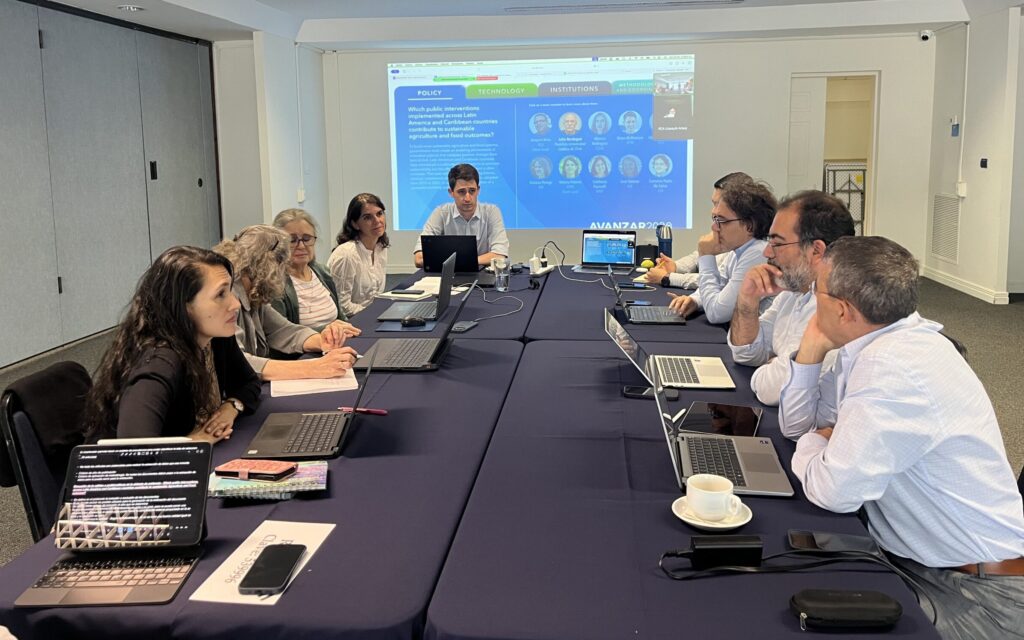
Evidence synthesis to find out what works for building sustainability
Latin American and Caribbean countries have already implemented numerous policies and programs to promote sustainability in food systems. In parallel, a wealth of knowledge about these policies has been created by researchers, policy makers, producers, consumers, and other actors. What is needed now is a systematic and thorough examination of this evidence to identify critical lessons that can be used to refine the policy landscape for greater impact.
Avanzar2030 is implementing an evidence synthesis to map existing research on innovative policy, assess the quality of this information, and provide conclusions on the state of the field. Building off the success of CERES2030, this project focuses specifically on innovative agricultural policies across LAC, incorporating literature in Spanish, Portuguese, and English. At a time when the region faces mounting pressures from climate change, economic instability, and persistent inequality, Avanzar2030 provides an urgently needed foundation for smarter investment, better policy design, and faster action.
Evidence synthesis is the process of systematically collecting, evaluating, and integrating findings from a range of sources and disciplines to generate a comprehensive understanding of a topic. An unbiased and accurate synthesis can provide valuable incite for decision-making.
 The figure above outlines the process and key characteristics of evidence synthesis. Unlike traditional literature reviews, the aim of this process is to find all existing literature on a clearly defined and bounded research question. Databases, search strategies, and criteria for including/excluding publications are meticulously selected and recorded to ensure a transparent process and account for the risk of bias. Machine learning tools assist a team of researchers with combing through thousands of documents to find and assess relevant information. Several rounds of screening are conducted to ensure the quality of included publications. Once a core set of materials are identified, researchers conduct a thorough review to extract data and qualitative findings.
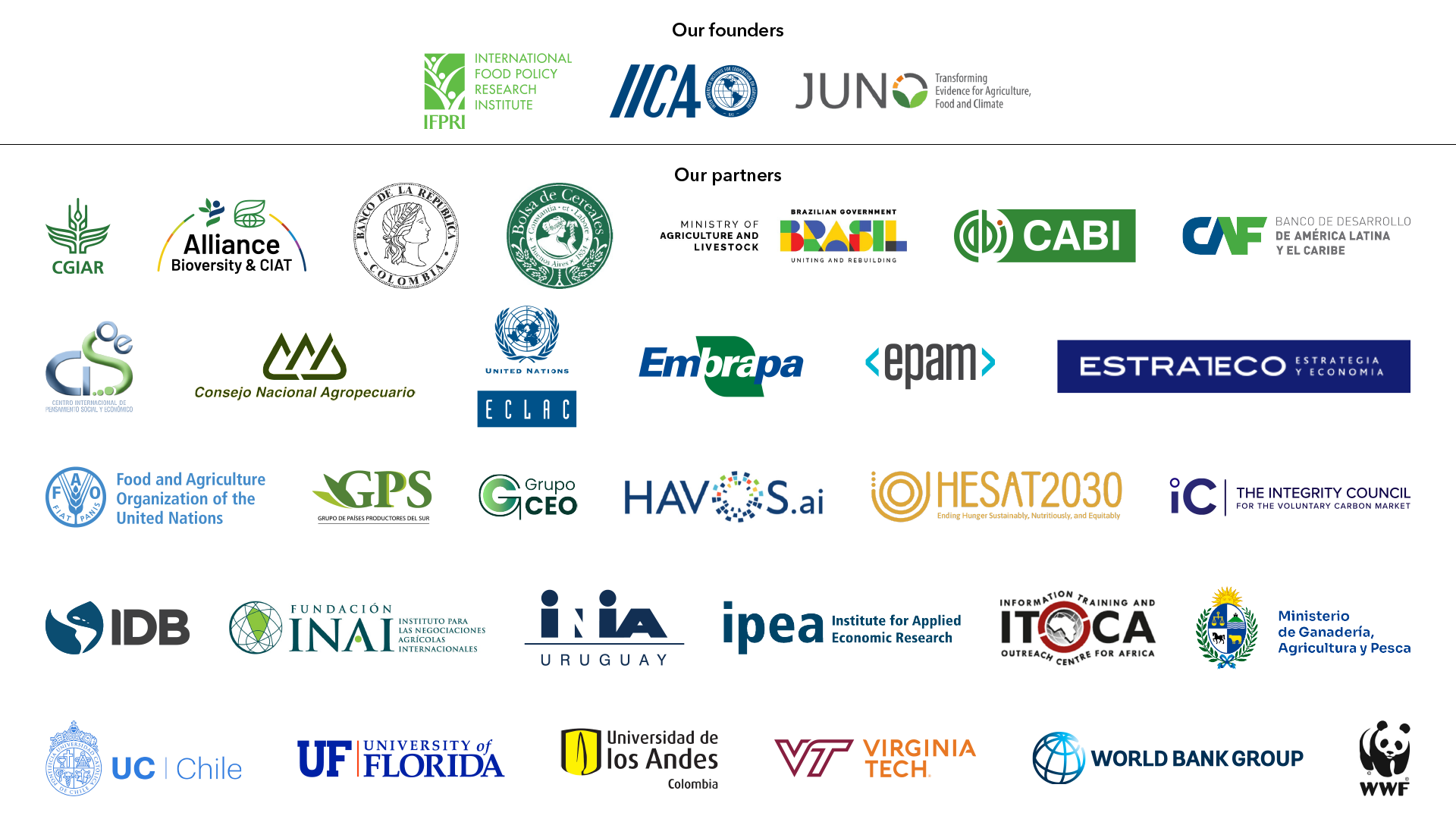
More than 20 organizations are taking part in Avanzar2030
For funders seeking to support agrifood systems transformation in LAC, or to generate lessons with relevance for other low- and middle-income countries, Avanzar2030 offers both a roadmap and a platform: a roadmap grounded in rigorous evidence, and a platform that connects research, policy, and practice. By combining regional synthesis, country-level application, and network-building, Avanzar2030 helps ensure that investments are not only innovative, but scalable, inclusive, and durable. As a multi-stage initiative, Avanzar2030 is designed to grow: future stages will expand geographic and thematic coverage, deepen national engagement, and support implementation through practical tools, tailored technical assistance, and continued knowledge generation.